Category Archives: Entertainment

Today In History.

Crossing the Rubicon

Julius Caesar and his army crossed the Rubicon on this day in 49 bce to take control of the Roman Republic. Caesar was breaking a law that forbade generals from leading armies out of their assigned territories, and he provoked a four-year civil war that irreversibly transformed ancient Rome. 49 

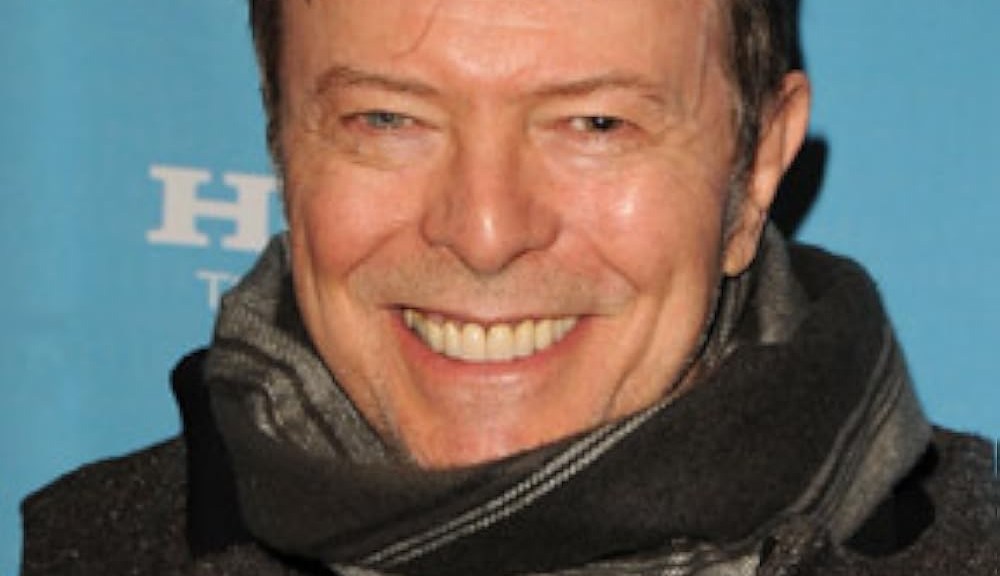
David Bowie—who transformed himself from a traditional pop crooner into a trendsetting international superstar best known for his metamorphic personae (on- and offstage), abrupt shifts in musical genres, and status as a fashion icon—died in New York City. 2016. 

The United States and the Vatican established diplomatic relations after a 117-year break. 1984. 
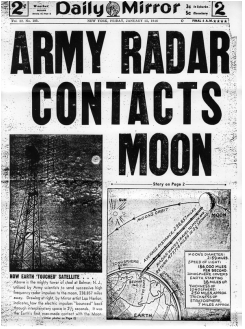
Radar signals bouncing off the Moon were detected for the first time. 1946.

The first United Nations General Assembly met in London. 1946. 

Thomas Paine published Common Sense, a 50-page pamphlet that sold more than 500,000 copies within a few months and called for a war of independence that would become the American Revolution. 1776. 

Today In History. 

Joan of Arc put on trial

Nineteen-year-old “Joan the Maid,” as she was referred to in court records, was put on trial in France on this day in 1431. She faced more than 70 accusations, including murder and heresy, and she eventually confessed, resulting in a life sentence that was later escalated to execution. 1431. 

Mahmoud Abbas was elected president of the Palestinian Authority. 2005. 

Apple introduced iTunes, a digital media player application that, with the year’s later debut of the iPod, revolutionized digital music. 2001. 

Construction began on the Aswan High Dam in Egypt. Upon completion in 1970 it generated enormous amounts of electric power and allowed for the control of the annual Nile flood. 1960. 

Louis Daguerre proclaimed his invention of the daguerreotype, the first commercially successful form of photography. 1839. 

Today In History.

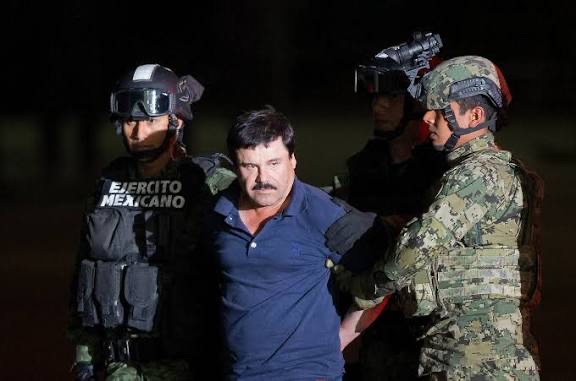
Mexican criminal Joaquín Guzmán (“El Chapo”), head of the Sinaloa drug cartel, was captured in Los Mochis after escaping prison some six months earlier; he was later extradited to the United States, where he was convicted of various crimes. 2016. 

Ramzi Ahmed Yousef, convicted of plotting the 1993 terrorist bombing of the World Trade Center in New York, was sentenced to life in prison. 1998. 

Charles de Gaulle was inaugurated as president of France‘s Fifth Republic. 1959

U.S. General Andrew Jackson defeated Great Britain in the Battle of New Orleans, the final engagement in the War of 1812. 1815. 

U.S. President George Washington delivered the first State of the Union, the annual address to Congress. 1790

Today In History. 

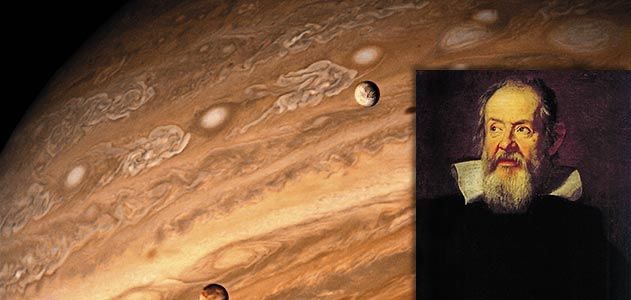
Galileo’s discovery of Jupiter’s four moons

During this month in 1610, Italian astronomer Galileo made the earthshaking discoveries that four moons revolve around Jupiter and that the telescope reveals many more stars than are visible to the naked eye. 1610. 

Two gunmen connected to al-Qaeda in the Arabian Peninsula, a Yemeni-based militant group, stormed the Paris offices of Charlie Hebdo and killed 12 people in retribution for the satirical magazine’s portrayals of the Prophet Muhammad; the attackers were later killed by police. 2015. 

John Kufuor was inaugurated as president of Ghana in that country’s first peaceful transition from one elected government to another. 2001. 

Vietnamese forces took control of Phnom Penh, Cambodia, ousting the Khmer Rouge and its leader, Pol Pot. 1979. 

Today In History 

The Whack Heard ‘Round the World

On this day in 1992, at an ice rink in Detroit, figure skater Nancy Kerrigan was clubbed in the leg by a man dressed in black. The injury forced her to withdraw from the U.S. Figure Skating Championships, clearing the way for her rival Tonya Harding to win the competition, qualify for the 1994 Winter Olympics, and become the center of attention in one of figure skating’s biggest scandals. 1994.

Supporters of Donald Trump stormed the U.S. Capitol, where Congress was meeting to certify Joe Biden’s win in the 2020 U.S. presidential election. 2021. 

The Boston Globe launched its Spotlight series exposing rampant sexual abuse by Roman Catholic clergy in the Boston archdiocese and a cover-up by church authorities. The paper won the 2003 Pulitzer Prize for Public Service for its “courageous, comprehensive” reporting of the abuse. 2002. 

The U.S. Congress certified George W. Bush as the winner of the 2000 presidential election following a legal battle. 2001. 

Composer A.R. Rahman, known as “the Mozart of Madras,” was born in Madras (now Chennai), India. 1966. 

At a small gathering to celebrate the new year, the Mirabal sisters decided to create a nationwide movement in the Dominican Republic to oppose the dictatorship of Rafael Trujillo. 1959. 

George Washington, the future first president of the United States, married Martha Dandridge in Virginia. 1759. 

Today In History. 

The arrival of the Great Frost

Europe’s coldest winter in 500 years began to take hold on this day in 1709. It would kill hundreds of thousands of people, make travel and trade nearly impossible, and disrupt two wars. Climatologists are still trying to understand the cause of what became known as the Great Frost. 1709.

Eusébio, one of the greatest Portuguese football (soccer) players of all time, died in Lisbon. 2014. 

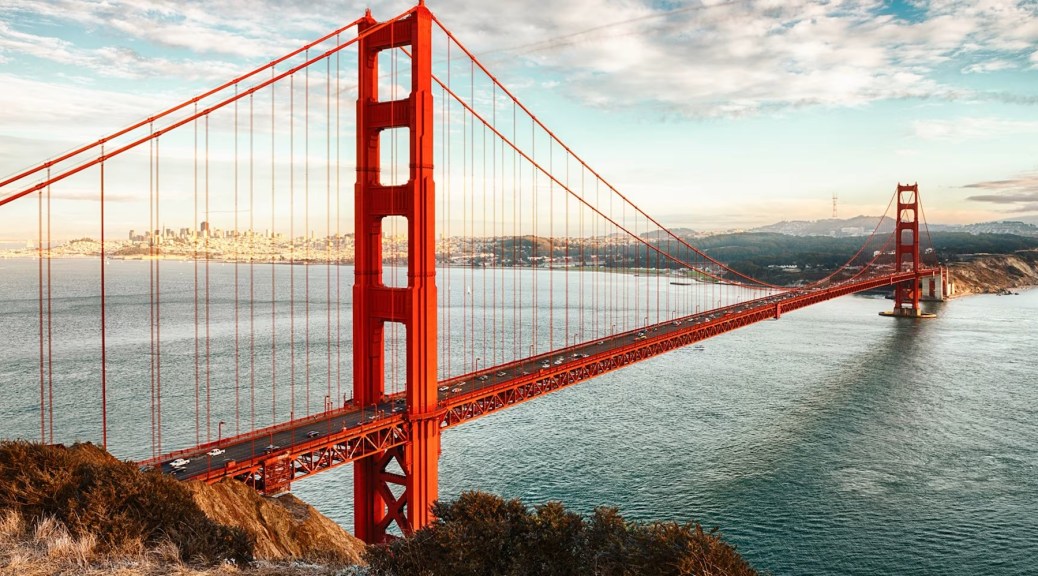
Construction began on the Golden Gate Bridge, which connects San Francisco with Marin county in California. When it was completed in 1937, it was the tallest and longest suspension bridge in the world. 1933. 

A locksmith named Anton Drexler founded the German Workers’ Party, the forerunner of the Nazi Party, in Munich, Germany. 1919. 

Following the great success of the Model T, American automobile maker Henry Ford raised his workers’ pay from $2.40 to $5.00 a day and reduced the hours of the workday. 1914. 

Today In History.

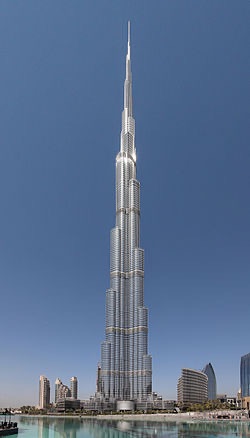
Burj Khalifa, the world’s tallest building, officially opened in Dubai in the United Arab Emirates. 2010. 

Poet and literary critic T.S. Eliot, a leader of the Modernist movement in poetry with such works as The Waste Land (1922), died in London. 1965. 

Novelist and playwright Albert Camus, who received the 1957 Nobel Prize for Literature, was killed in an automobile accident in France. 1960. 

Burma—today called Myanmar—formally gained independence from Great Britain, completing the peaceful transfer of power negotiated by Burmese leader Aung San and British Prime Minister Clement Attlee in 1947. 1948. 

Solomon Northrup, a free Black man who had been kidnapped in Washington, D.C., and sold into slavery, legally obtained his freedom. He later wrote about his experiences in Twelve Years a Slave, which became the basis for an Oscar-winning movie. 1853. 

Louis Braille, who developed a system of printing and writing that is extensively used by the blind and that was named for him, was born near Paris. 1809. 

Today In History. 

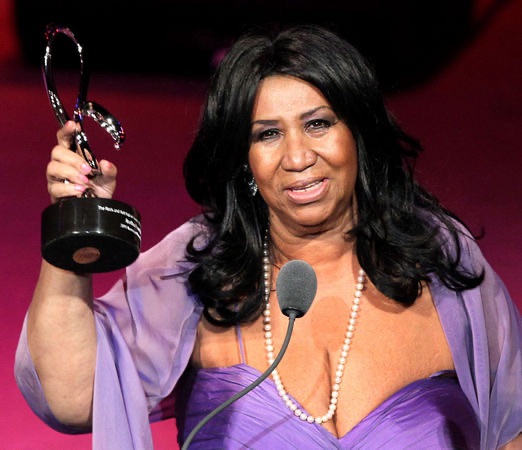
A first for the Queen of Soul

Aretha Franklin became the first woman voted into the Rock and Roll Hall of Fame. More than 80 other women have entered the hall since her induction was announced on this day in 1987. 1987.

Sam Bankman-Fried pleaded not guilty to U.S. federal charges of fraud connected to his role as CEO of a cryptocurrency exchange. He was later tried, convicted, and sentenced to 25 years in prison. 2023. 

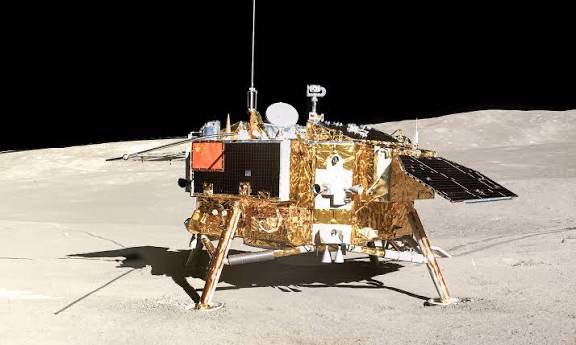
The Chinese lunar probe Chang’e 4, carrying the Yutu-2 rover, landed on the Moon‘s far side, the first spacecraft to do so. 2019. 

Hillary Clinton was sworn in as a U.S. senator from New York, having become the first first lady in U.S. history to win elective office. 2001

Apple was incorporated by Steve Jobs and Steve Wozniak. It went on to become one of the most recognizable brands in the world. 1977.

Today In History. 

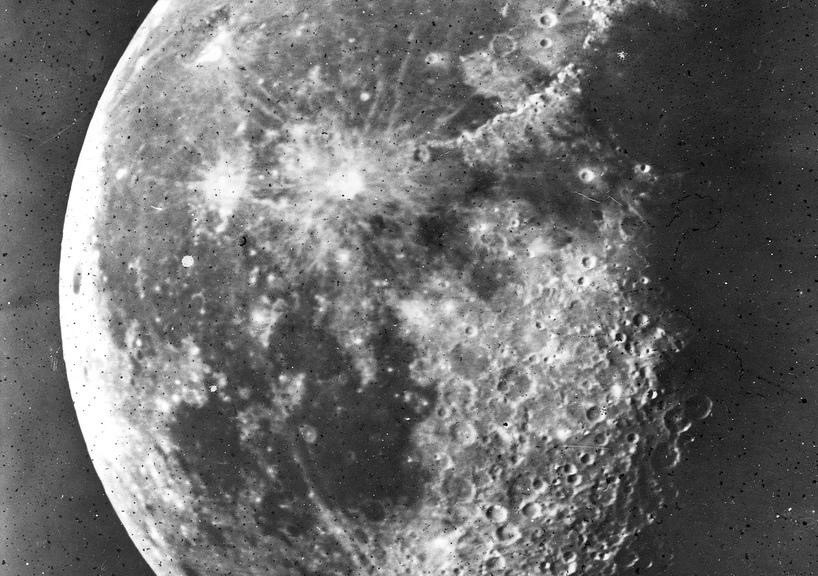
First photo taken of the Moon (probably)

Louis Daguerre, a French artist and chemist who was one of photography‘s earliest pioneers, is thought to have taken the first photograph of the Moon on this day in 1839. It was destroyed when his studio burned down soon afterwards. 1839.

NASA’s spacecraft Stardust collected dust grains from the comet Wild 2. The cometary material was later revealed to contain the amino acid glycine, an essential building block of life. 2004.

Russian forces surrendered Port Arthur (later Lüshun, China) to the Japanese in the Russo-Japanese War. 1905. 

Ferdinand II and Isabella I, the first monarchs of unified Spain, captured Granada, ending a centuries-long series of military campaigns waged by Christian states against Muslim rulers in Spain and Portugal. 1492. 

Today In History. 

When Europe Changed Its Money Overnight

Eleven European Union countries changed their money to the euro on this day in 1999. All electronic transactions switched to the new monetary unit, although coins and banknotes stayed unchanged in these countries until January 1, 2002. 1999. 

The World Trade Organization was formally established. 1995. 

The North American Free Trade Agreement (NAFTA) went into effect, eliminating most tariffs and other trade barriers on products and services passing between the United States, Canada, and Mexico. 1994. 

Dictator Fulgencio Batista fled Cuba after his regime was toppled by rebel forces led by Fidel Castro. 1959. 

The Emancipation Proclamation, which freed enslaved people in the Confederacy (the states in rebellion against the Union during the American Civil War), was issued by U.S. President Abraham Lincoln. 1863. 

The first print run of Frankenstein; or, The Modern Prometheus—500 copies, with no author identified—was produced by a largely unknown publisher in London. The novel soon gained wide popularity, which prompted 20-year-old Mary Shelley to go public as its author. 1818

Haiti declared its independence from France, bringing the Haitian Revolution to an end and making Haiti the only country to be founded as a result of a rebellion by formerly enslaved people. 1804.

Today In History. 

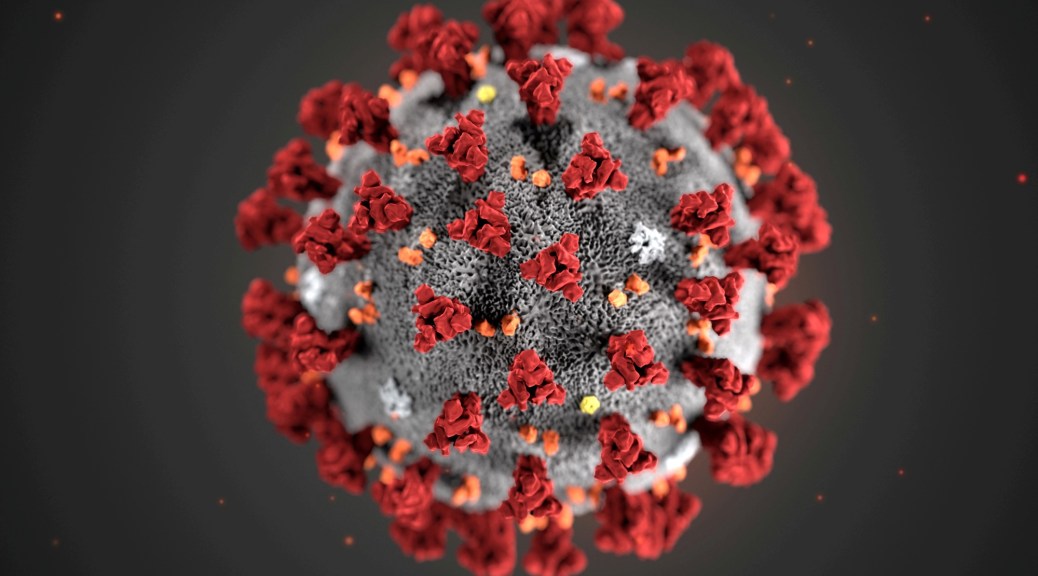
The World Health Organization first learned of “viral pneumonia” cases in Wuhan, China. The disease was later determined to be COVID-19, which became a global pandemic the following year. 2019. 

Taipei 101 opened in Taipei, Taiwan. At 1,667 feet (508 metres), it was the tallest building in the world until the Burj Khalifa was completed in 2007. 2004. 

The United States officially handed over control of the Panama Canal to Panama. 1999. 

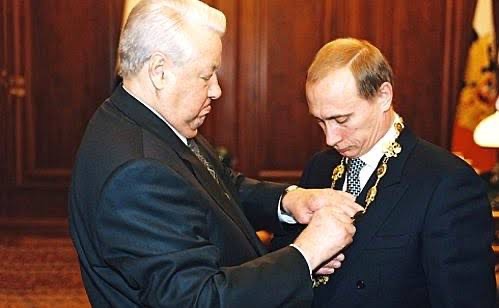
Russian President Boris Yeltsin resigned, and Prime Minister Vladimir Putin became acting president; Putin was elected to the post the following year. 1999. 

The Soviet Union legally ceased to exist, Russia and other former Soviet republics having declared themselves independent and having founded the Commonwealth of Independent States on December 21, 1991. 1991. 

Today In History 

The Union of Soviet Socialist Republics was established, with its capital in Moscow. 1922.

José Rizal—a physician, man of letters, and leading spokesman of the Philippine reform movement—was publicly executed by the Spanish rulers of the country, enraging and uniting Filipinos. He had been convicted of sedition after an insurrection in the Philippines in which he had no direct role. 1896. 

Mary Wollstonecraft Godwin and Percy Bysshe Shelley married, two years after they had eloped to France while Shelley was still married. She would publish Frankenstein about a year later, and her poet husband would drown six years later. 1816. 

During the Maratha Wars, the Maratha chief Daulat Rao Sindhia signed the Treaty of Surji-Arjungaon, ceding political power and territory in India to the British. 1803. 

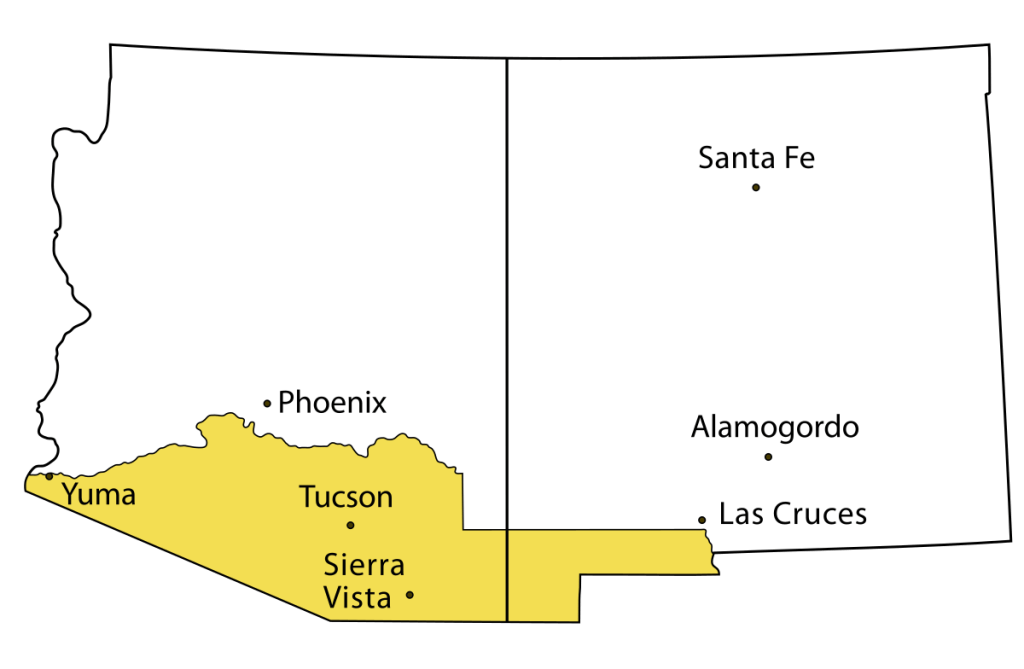
The United States acquired nearly 30,000 square miles (78,000 square km) of northern Mexican territory with the signing of the Gadsden Purchase. 1853. 

LeBron James, one of the greatest all-around basketball players of all time, was born in Akron, Ohio. 1984.

Today In History 

Arrested for wearing pants

On this day in 1852, Emma Snodgrass was arraigned in Boston because she was a woman wearing trousers. This was a time when activists were calling for “rational dress” for women, including bloomers and trousers, as an alternative to long, bulky skirts. 1852. 

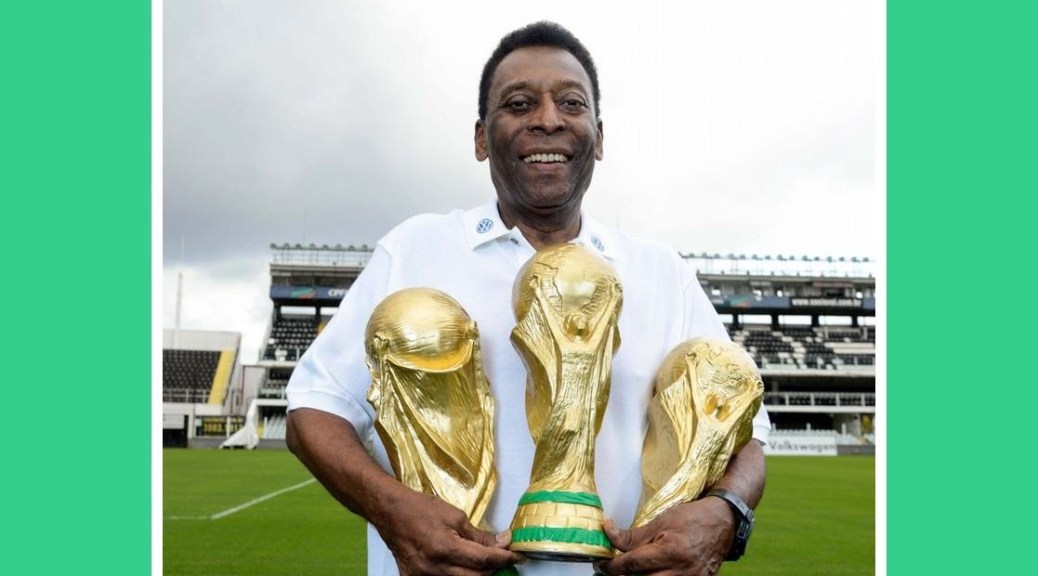
Brazilian football (soccer) legend Pelé, one of the sport’s greatest players and among the first athletes to become global celebrities, died at age 82. 2022. 

With the enactment of a new constitution, the Irish Free State became known as Ireland. 1937. 

Knights of King Henry II of England killed the archbishop of Canterbury, Thomas Becket, in Canterbury Cathedral. 1170. 

Today In History 

An American IVF milestone

Elizabeth Jordan Carr, the first American born via in vitro fertilization, was born on this day in 1982. Her mother gave birth to her in Virginia because IVF was illegal in her home state of Massachusetts. 1981

Actress and singer Debbie Reynolds died, a day after the sudden and unexpected death of her daughter, Carrie Fisher, who was a noted actress and writer. 2016. 

John Evans Atta Mills was elected president of Ghana, defeating Nana Addo Dankwa Akufo-Addo by a narrow margin. 2008. 

Denzel Washington, who won Academy Awards for his engaging and powerful performances in the films Glory (1989) and Training Day (2001), was born in Mount Vernon, New York. 1954. 

Gustave Eiffel, designer of the famous Eiffel Tower, died at age 91. 1923. 

While imprisoned for participating in a plot to gain Irish independence, Constance Markievicz became the first woman elected to the British House of Commons. She refused to swear an oath of allegiance to the king, however, which prevented her from taking her seat. 1918. 

The Highland outlaw Rob Roy, known as the Scottish Robin Hood, died. 1734. 

The original Westminster Abbey, located in London, was consecrated and opened by Edward the Confessor. It became the site of coronations and other ceremonies of national significance in England. 1065. 

Today In History 

Hagia Sophia consecrated

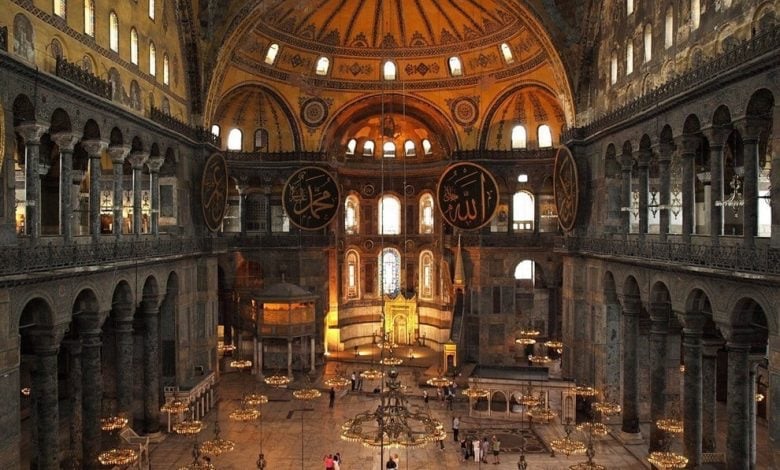
When it was consecrated on this day in 537 as an Eastern Orthodox church, the Hagia Sophia was the world’s largest church. In subsequent centuries it became a Roman Catholic cathedral, a museum, and a mosque. 537. 

Benazir Bhutto—who became prime minister of Pakistan in 1988, making her the first woman leader of a Muslim nation in modern history—was assassinated in Rawalpindi while campaigning for parliamentary elections. 2007. 

Rebel forces under Che Guevara routed a Cuban government garrison and captured an armored train filled with weapons and ammunition, helping to bring the Cuban Revolution to an end a few days later. 1958. 

The internal passport system, previously denounced by Vladimir Lenin as one of the worst stigmas of tsarist backwardness and despotism, was reinstated in the Soviet Union by Joseph Stalin. 1932.

Today In History.

Gerald R. Ford—who was the 38th president of the United States (1974–77) and the country’s only chief executive who was not elected as either president or vice president—died in California. 2006.

A massive earthquake shook the Indian Ocean floor west of the island of Sumatra, triggering a devastating tsunami that swamped coastal areas from Thailand to Africa and killed at least 225,000 people. 2004. 

The horror classic The Exorcist, an adaptation of a novel about a young girl possessed by the Devil, was released in the United States. The recipient of 10 Oscar nominations, including for director William Friedkin, it became one of the highest-grossing films of all time. 1973. 

The Beatles‘ single I Want to Hold Your Hand, with I Saw Her Standing There on the B-side, was first released in the United States. Hugely successful, it helped launch Beatlemania. 1963. 

Jack Johnson defeated Tommy Burns in Sydney to become the first Black fighter to win the world heavyweight boxing championship. 1908. 

Mathematician and inventor Charles Babbage, who is credited with having conceived the first automatic digital computer, was born in London. 1791. 

Charles I and the Scots reached a secret agreement whereby the Scots offered to support the king’s restoration to power in return for his acceptance of Presbyterianism in Scotland and its establishment in England for three years. 1647.

Today In History. 

December 25 became Christmas

Pope Liberius celebrated the first official Christmas mass in Rome on this day in 352. The birth of Jesus Christ had been celebrated as many as two centuries earlier, but it was this mass that ensured Christmas’s place on December 25 in the Roman Catholic calendar. 352. 

American singer and songwriter James Brown, known as “the Godfather of Soul,” died at the age of 73. 2006. 

Mikhail Gorbachev resigned the presidency of the Soviet Union, which ceased to exist at the end of the year. 1991. 

The film adaptation of Harper Lee‘s To Kill a Mockingbird premiered and became a classic, especially noted for Gregory Peck‘s portrayal of Atticus Finch. 1962. 

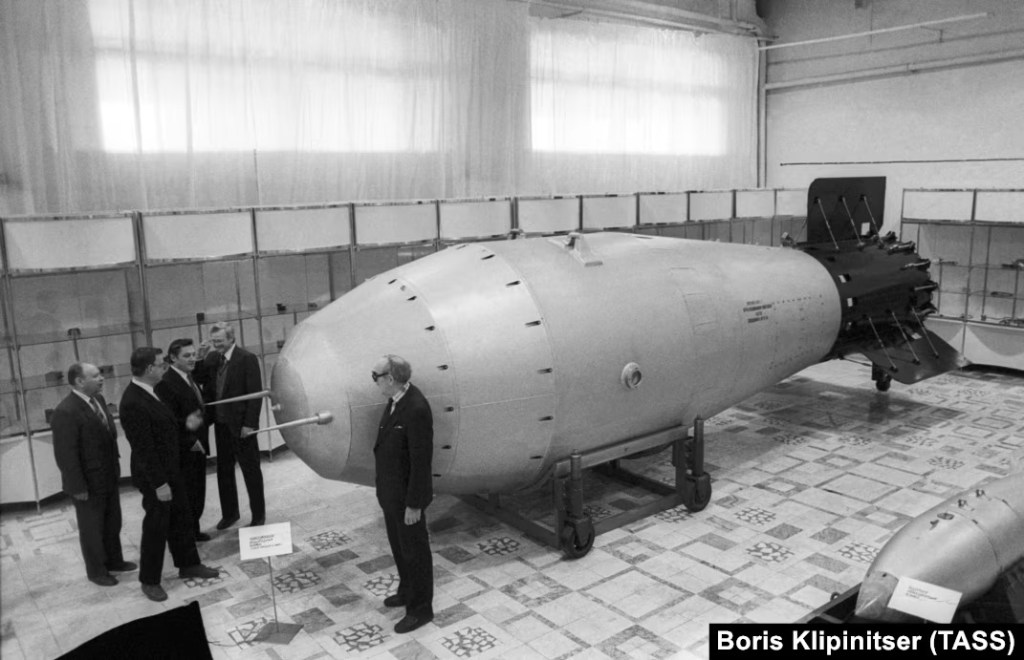
As an important step in the U.S.S.R.’s efforts to build a nuclear weapon, the first Soviet chain reaction took place in Moscow using an experimental graphite-moderated natural uranium pile. The Soviets successfully tested their first nuclear device about two and a half years later. 1946. 

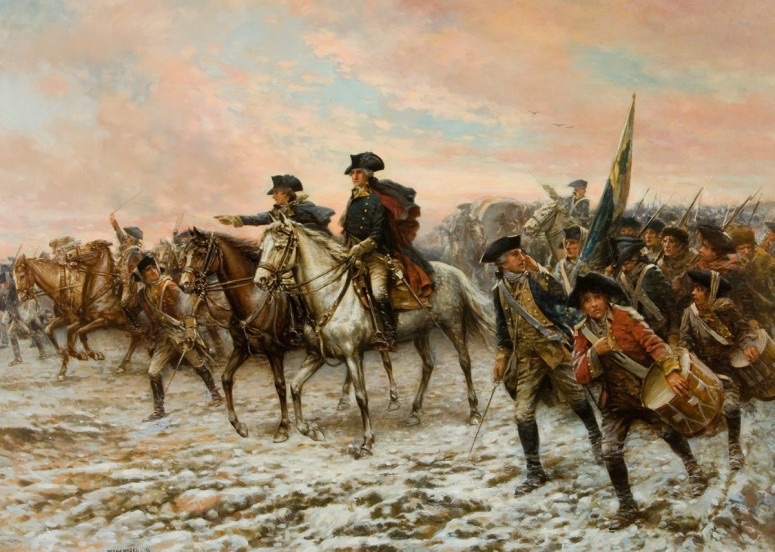
During the American Revolution, General George Washington crossed the Delaware River and surprised the British at Trenton, New Jersey. 1776. 

Bing Crosby debuted Irving Berlin‘s “White Christmas” on The Kraft Music Hall radio program. Crosby later recorded the song for the film Holiday Inn (1942), and it won an Oscar, becoming one of the most popular songs in American history. 1941.

Today In History. 

The tinfoil speaking machine

On this day in 1877, the U.S. Patent Office received an application for a “Phonograph or Speaking Machine” from inventor Thomas Edison. He had demonstrated the device for the first time a few weeks earlier, when he played his recorded (and sometimes unintelligible) voice to magazine staffers in New York City. 1877. 

Indian cricketer Virat Kohli scored his first century, in a one-day international match against Sri Lanka. 2009. 

Hijackers took control of Indian Airlines flight 814 and demanded that it be rerouted from New Delhi to Lahore. Days later, negotiations between the Indian government and the hijackers, who were linked a Pakistan-based Islamist group, resulted in an exchange of jailed militants for passengers being held hostage. 1999. 

The Soviet Union invaded Afghanistan to aid the Afghan communist government in its conflict with anti-communist Muslim guerrillas during the Afghan War. 1979. 

Stephenie Meyer—author of the popular Twilight Saga, a series of vampire-themed novels for teenagers—was born in Hartford, Connecticut. 1973. 

Idris I became the first king of newly independent Libya. 1951. 

General Dwight D. Eisenhower was appointed supreme commander of the Allied Expeditionary Force during World War II. 1943. 

American manufacturer, aviator, and film producer Howard Hughes, who became better known for his reclusiveness than for the uses to which he put his vast wealth, was born in Houston, Texas. 1905

The United States and Great Britain signed the Treaty of Ghent in Belgium, ending the War of 1812. The treaty did not resolve the issues that led to war, but a newfound sense of patriotism in many Americans, who were convinced that they had won, pushed the U.S. to pursue its national goals. 1814. 

Today In History. 

The incident at the Yellow House

Vincent van Gogh cut off part of his own left ear on this day in 1888 after a heated argument with fellow artist Paul Gauguin, with whom he had been sharing a house in the south of France. Van Gogh reportedly then delivered his ear to a nearby brothel. Art historians have debated the incident for decades. 1888. 

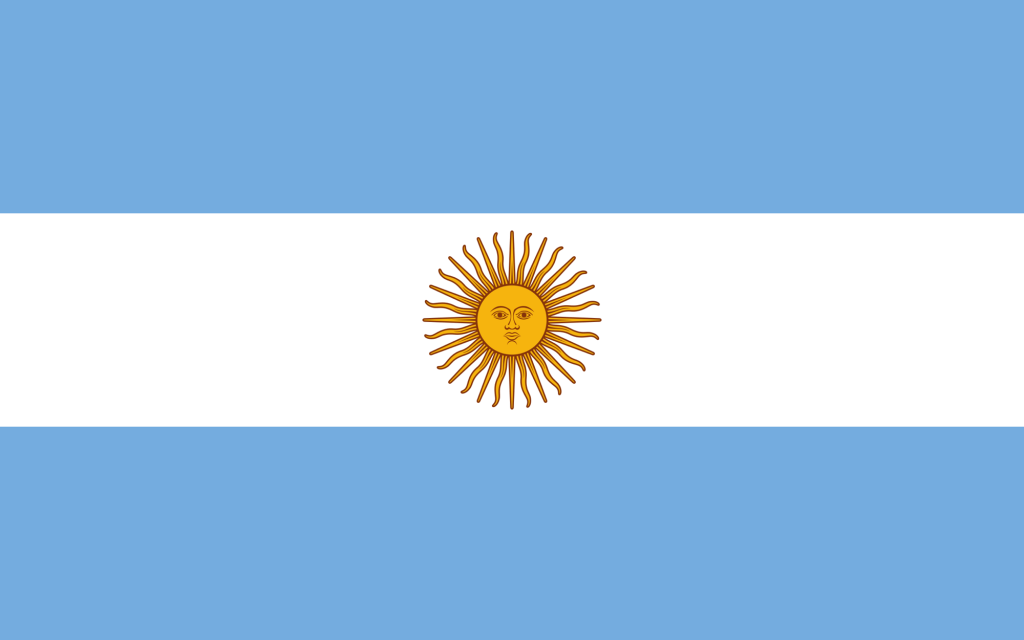
Argentina announced the suspension of payments on its external debt—the biggest debt default in history to date. 2001. 

Eighty-two crewmen of the USS Pueblo were released after being held in captivity for 11 months by North Korea, which claimed the U.S. Navy intelligence ship had crossed into its waters. 1968. 

Early in World War II, invading Japanese forces defeated U.S. troops at the Battle of Wake Island. 1941. 

The first comprehensive constitution of the Ottoman Empire went into effect, giving the sultan full executive power. 1876. 

Today In History. 

Brandenburg Gate reopened

On this day in 1989, the Brandenburg Gate in Berlin was reopened as East and West Germany continued moving toward reunification. Berliners had been unable to use the gate since 1961, when the newly built Berlin Wall blocked access to it. 1989. 

The Constitution of the Republic of Croatia was promulgated, granting such civil rights as freedom of speech, religion, information, and association, as well as guaranteeing the equality of nationalities. 1990. 

Rescue helicopters arrived at the crash site of Uruguayan Air Force flight 571 and evacuated a first group of survivors, two months after the plane went down in the Andes Mountains in Argentina. Of the 45 people aboard the plane, only 16 survived. 1972. 

U.S. President Franklin D. Roosevelt and British Prime Minister Winston Churchill met in Washington, D.C., to discuss World War II, two weeks after the Pearl Harbor attack. 1941

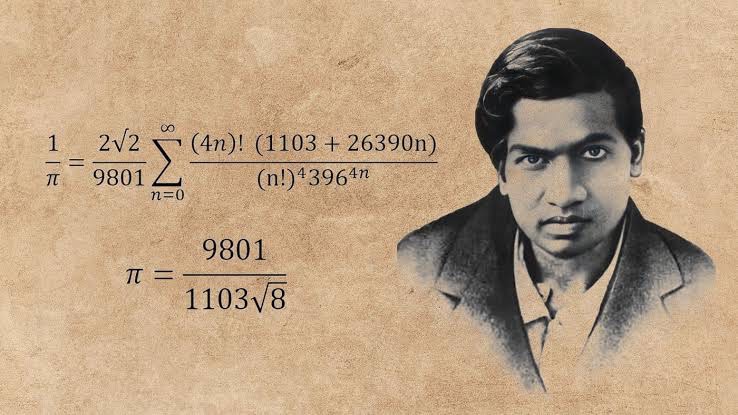
Srinivasa Ramanujan, a self-taught Indian mathematician who made many pioneering discoveries and whose story was told in the movie The Man Who Knew Infinity (2015), was born in Erode in what is today Tamil Nadu. 1887. 

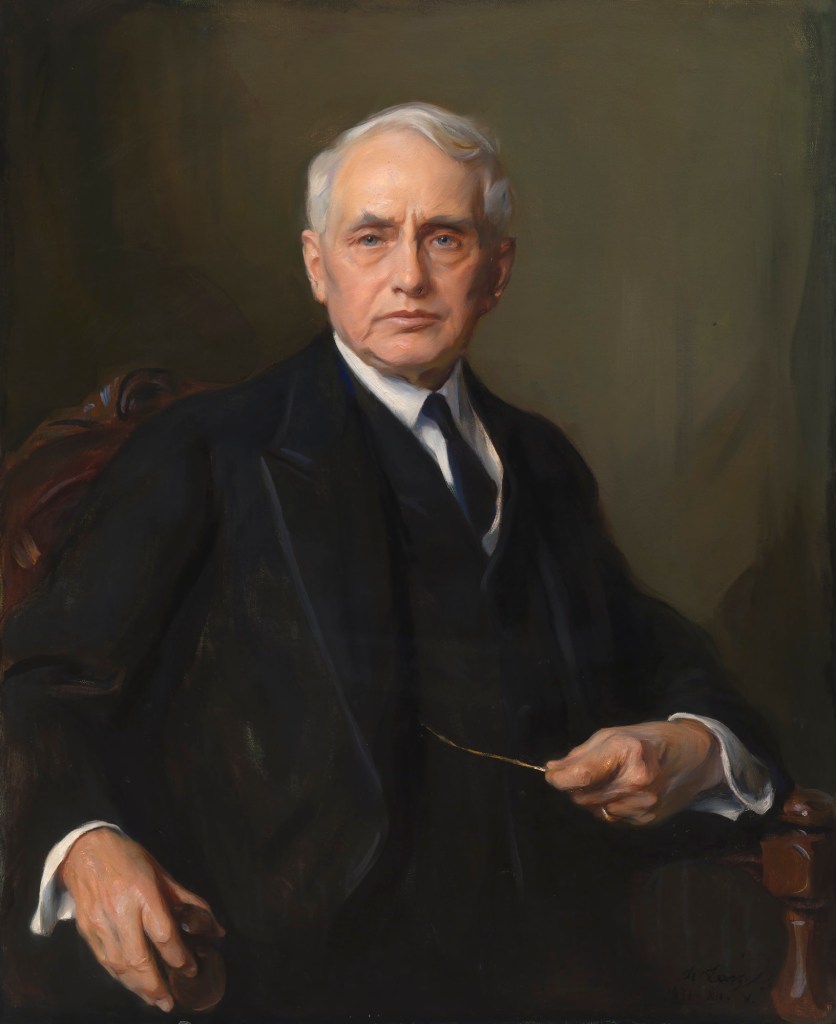
Frank B. Kellogg, a U.S. secretary of state who won the Nobel Prize for Peace in 1929, was born in Potsdam, New York. 1856. 

Jean-Michel Basquiat (born December 22, 1960, Brooklyn, New York, U.S.—died August 12, 1988, New York City) was an American painter known for his raw gestural style of painting with graffiti-like images and scrawled text.